
Table of Contents
 When the concrete floors around your property begin to deteriorate, you may start considering making an investment in an upgrade. One of the most popular ways homeowners have chosen to upgrade their concrete floors is by investing in an epoxy coating. However, before you invest your time and resources in this project, it’s essential to assess your concrete damage.
Not all concrete damage is created equal, and choosing to ignore it before starting your epoxy coating project can have devastating consequences. In this blog, we’ll help you determine whether your concrete floors need minor repairs or major restoration before you begin your upcoming epoxy coating project.
Do You Need to Repair Your Concrete Before Installing a Coating?
Before beginning any floor coating project, it is essential to inspect the base to which the coating will be applied. While incredibly minor problems, such as very fine surface cracks, can be ignored, other damage may require repair. But how severe does your concrete damage need to be for it to necessitate repairs?
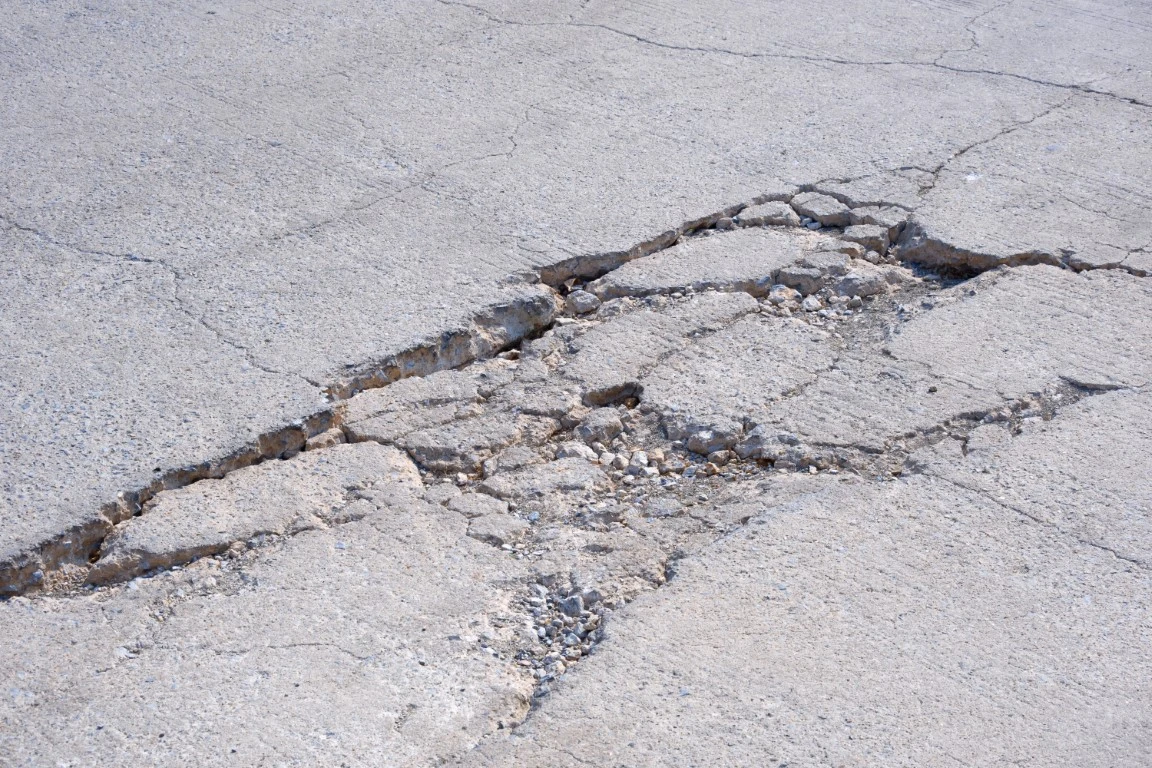
If you notice hairline cracks or deep cracks spanning across your floors, these need to be properly patched before a coating can be applied over them. Concrete spalling, which appears as flaking or crumbling, also requires repair before installing your new coating. Finally, if you are dealing with drainage problems, these need to be addressed as well.
While epoxy coatings are incredibly durable, they aren’t infallible. Covering concrete damage with an epoxy coating doesn’t eliminate the underlying problem. Failing to address this damage might seem like the easiest way to move forward with your project, but ultimately, it can lead to more headaches down the road.
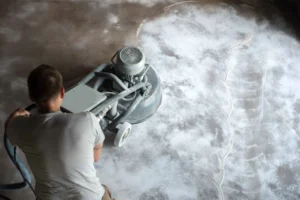 Why You Need to Repair Concrete Damage Before Installation
When investing in an epoxy floor coating, ensure you start with a solid base. When you choose to disregard existing concrete damage, this makes it difficult, if not impossible, to start the project off on a good foot. Some of the most significant risks of ignoring concrete damage before your coating installation include:
- Improper Bonding: Your epoxy needs an adequately prepped surface to grip onto. To ensure your floors are adequately prepped for this installation, you’ll need to do proper patching, grinding, and etching. When you skip the patching process, your coating may struggle to grip onto damaged areas across your floor.
- Moisture Infiltration: Floor coatings act as the first line of defense against moisture. However, when your coating doesn’t bond properly, even the smallest amounts of water can seep beneath the coating, leading to a compromised coating and the potential for expansion and contraction damage to the concrete base.
- Uneven Flooring: When you ignore concrete damage like spalling, there is a risk that your newly installed coating will be applied over uneven surfaces. Epoxy doesn’t level your floors, which means you could be setting yourself up for potential tripping hazards in your garage, basement, or patio after installation is completed.
- Aesthetic Problems: Many homeowners invest in new floor coatings to enhance the aesthetic appeal of their space. When you ignore damage and install the coating over it, your coating can degrade more quickly than if you’d made essential repairs. Over time, this can lead to a splotchy floor, which can further harm your home’s aesthetics.
While ignoring damage may seem like the easiest way to begin your project, it can have long-term consequences. Instead of forgoing repairs, it is best to patch, repair, and replace your concrete slab before proceeding with the project.
How Soon Can You Install a Coating After Repairs?
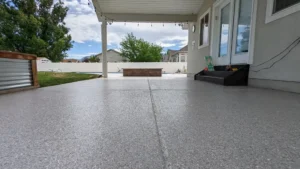 If you’re dealing with minor superficial concrete damage, your floor coating provider will likely make these right before prepping the floors and installing the coating. However, if you are dealing with far more intense damage and need to pour fresh concrete to refresh your floors, this might not be an option.
When working with new concrete, you must wait for the substance to fully cure before proceeding with your coating installation. For most homeowners, this means you’ll need to wait 28 days before installing your coating. However, if you’re dealing with incredibly humid conditions or high or low temperatures, you’ll need to wait up to 60 days before moving forward.
The Importance of Professional Installation over a DIY Project
It is essential to repair any concrete damage before applying your coating. However, this isn’t the only important step in the process. In addition to the importance of making repairs, you should also avoid attempting a DIY floor coating installation. Many homeowners do this to save a bit of money up front. However, it may ultimately cost more in the long run.
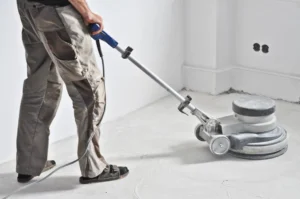
Without the proper tools, you may not be able to adequately prep your concrete floors before installing the coating. As mentioned above, improper preparation compromises the integrity of your floor coating. Professionals have the adequate tools to install your new coating, which means you can trust that it will last for its expected lifespan.
They also have access to higher-quality floor coating products that you cannot purchase from a store. If you want to upgrade your home with the best products on the market, don’t settle for subpar coatings or installation. Instead, turn to the professionals and trust that you’re getting the best coating for your home.
 Expert Epoxy Coatings in Denver, CO
When you’re ready to install the best epoxy floor coating in your home, turn to our team at Solid Garage Floor Coatings of Colorado. For years, we’ve helped homeowners assess concrete damage, make repairs, and install the most beautiful epoxy floor coating on their property. Whether you want to install it in a basement, garage, commercial space, or outdoor area, we have the best products on the market. With our installation, you can trust that your concrete floors are safe from damage and will look their best for years to come.
If you would like to learn more about our epoxy floor coatings, contact us today.