
Table of Contents
- Why New Construction Garage Floors Are Different From Older Concrete
- How Long Does Fresh Concrete Need to Cure Before Coating?
- The Risks of Applying a Garage Floor Coating Too Soon
- Signs Your New Garage Floor Is Ready for a Coating
- Factors to Consider Before Coating Your New Construction Garage Floors
- Delivering Expert Coatings to Homes Across Denver, CO
Purchasing a new construction home can be incredibly exciting. You can trust that your home meets your family’s every need and is customized to fit your long-term goals. Before you move in, you may find yourself purchasing paint, changing out fixtures, and deep cleaning your space. But, there is one upgrade you should consider that may go overlooked.
Before moving into your home, you may want to consider investing in a coating for your new construction garage. While you may want to coat your garage floors, you may also be concerned about whether you can safely coat a freshly poured concrete slab, and whether the decision to coat immediately after installation can compromise your slab.
In this blog, we’ll explore whether you can coat a freshly installed slab, the risks of coating too soon, and signs your new construction garage floors are ready for coating.
Why New Construction Garage Floors Are Different From Older Concrete
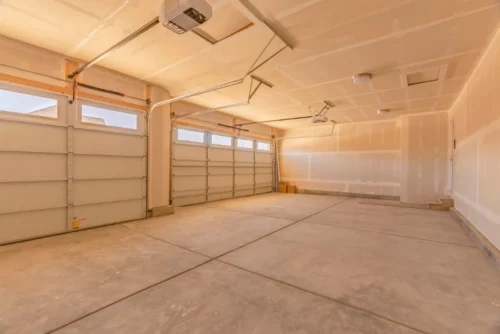
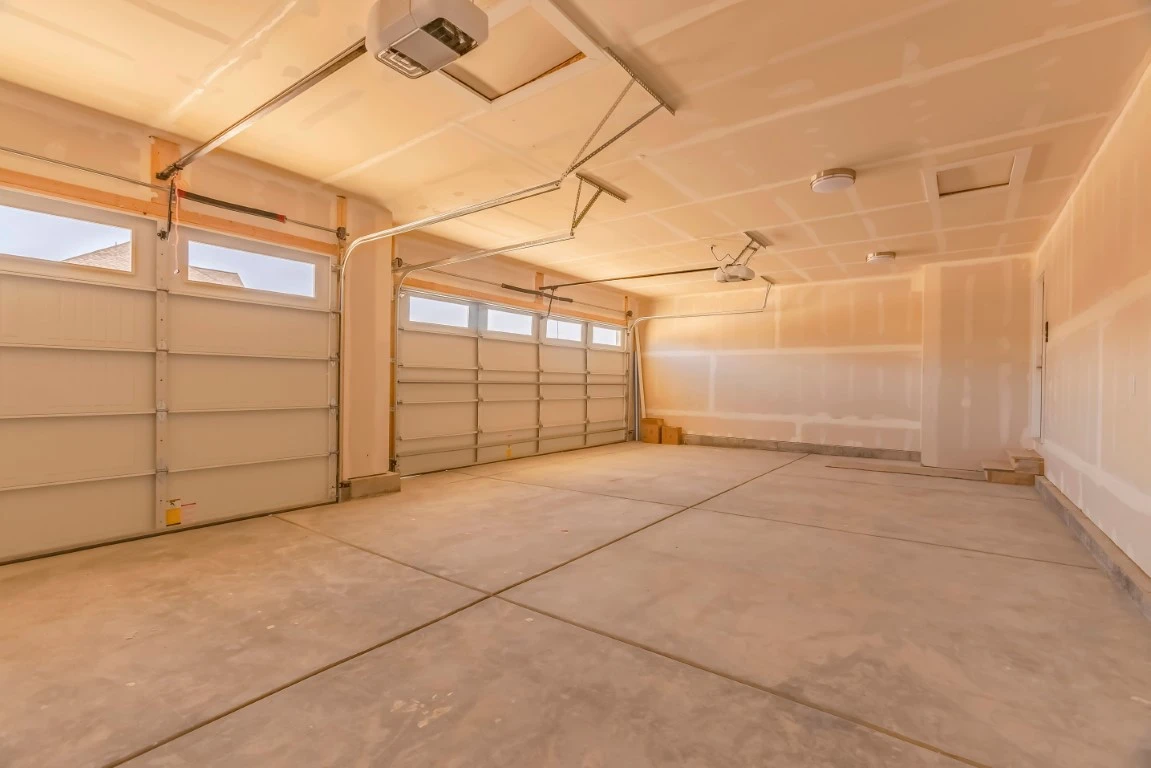
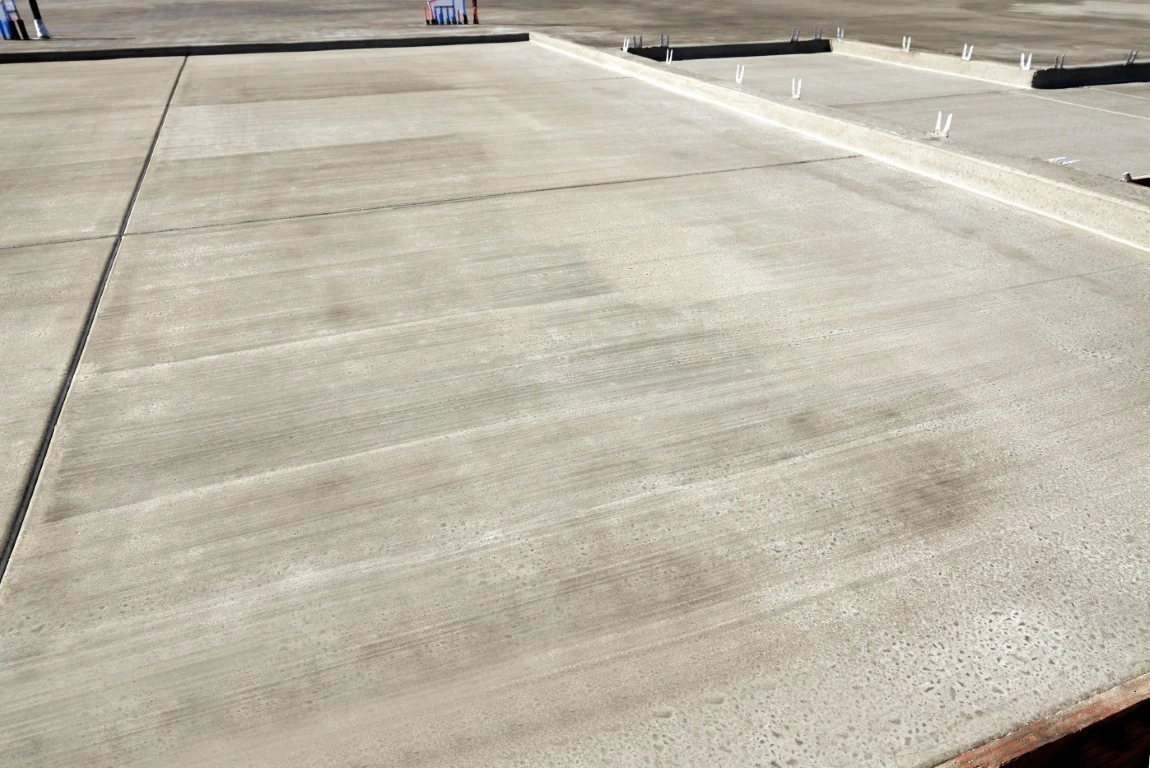
A new construction garage floor may look finished, but the concrete is still going through important changes beneath the surface, even well after the initial curing process is over. Unlike older concrete that has had months or years to stabilize, new concrete contains excess moisture that gradually evaporates as the slab cures.
This curing process helps the concrete reach its intended strength and durability, but it also affects when certain floor coatings can be applied. Because of this moisture movement, newly poured concrete requires more careful planning. Applying a coating too early can trap moisture beneath the surface, leading to issues such as bubbling, peeling, or poor adhesion.
New construction floors may also have surface contaminants from the building process, including dust, debris, or curing compounds, which can interfere with coating performance. Understanding these differences is the first step toward choosing the right timing and ensuring long-lasting results from your garage floor coating.
How Long Does Fresh Concrete Need to Cure Before Coating?
The amount of time a new garage floor needs to cure before coating depends on several factors, including the type of concrete, weather conditions, and the coating product being used. While many homeowners hear the standard recommendation of waiting 28 days, that timeline primarily refers to the period required for concrete to achieve most of its design strength.
In some cases, additional drying time may be needed before a coating can be safely applied. Moisture is often the most important consideration. Even after the concrete has hardened, excess moisture can remain within the slab and affect how well a coating bonds to the surface. Many professional installers perform moisture tests rather than relying solely on concrete’s age.
Because coating manufacturers have different requirements, many professional floor coating installers will follow the instructions provided by them to ensure the long-term success and durability of your new coating. Waiting until the concrete is properly cured and dry can help maximize adhesion, appearance, and long-term durability.
The Risks of Applying a Garage Floor Coating Too Soon
It can be incredibly tempting to apply a garage floor coating as soon as the concrete is installed. However, choosing to disregard appropriate curing time can lead to some significant problems down the line. If you choose to apply a coating to your new construction garage floor too early, you may find yourself dealing with:
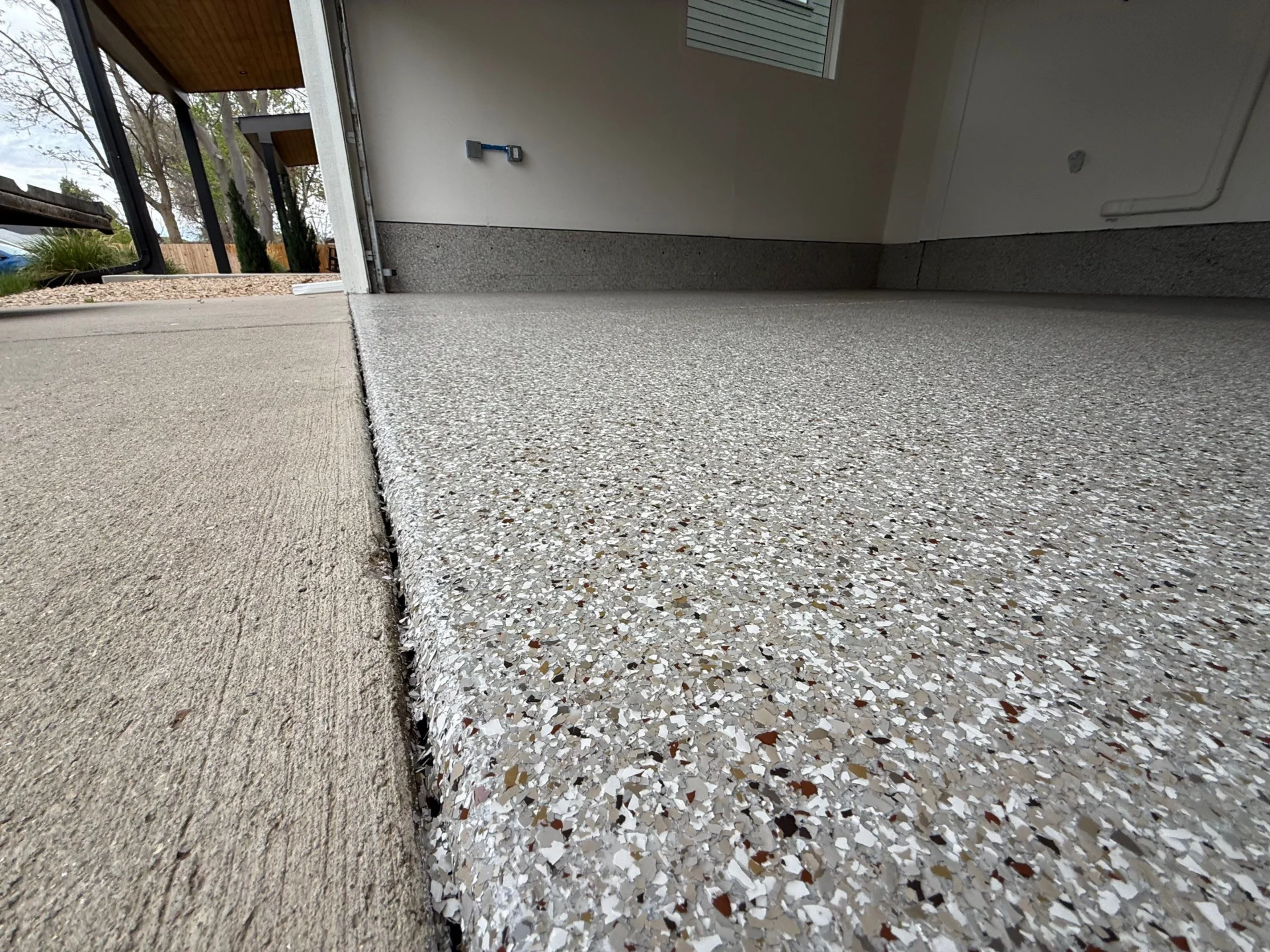
- Delamination: Trapped moisture beneath the coating builds up pressure beneath the surface, leading to the coating lifting, bubbling, and peeling.
- Efflorescence: Moisture brings minerals to the surface, which can leave your floors with a powdery residue that prevents the coating from adhering.
- Adhesion Failure: High chemical alkalinity in newly poured concrete can make it difficult for epoxy and Polyaspartic coatings to properly adhere to your floors.
Signs Your New Garage Floor Is Ready for a Coating
Determining whether a new construction garage floor is ready for a coating involves more than simply waiting the 28-60 days for adequate curing. While curing time is important, the condition of the concrete itself is often a better indicator of readiness. One of the most important signs is low moisture content.
Excess moisture trapped within the slab can interfere with adhesion and lead to coating failure over time. The surface should also be clean, dry, and free of construction debris, dust, curing compounds, or other contaminants that could prevent proper bonding. In many cases, professional surface preparation is recommended to ensure optimal results.
Another good sign is that the concrete has completed the manufacturer’s recommended curing period and has passed moisture testing. If there is uncertainty, a coating contractor can evaluate the slab and perform tests to verify conditions. Taking the time to confirm readiness helps reduce installation risks and supports a longer-lasting, more durable garage floor coating.
Factors to Consider Before Coating Your New Construction Garage Floors
While coating your new construction garage floors can protect them from damage down the line, there are a few things you should consider before moving forward with the process. Before taking the next step to schedule coating installation, consider the following:
- Concrete Cure Time: Ensure your concrete has had up to 60 days to cure before considering investing in a professional coating material.
- Moisture Testing: Before having the coating installed, adequate moisture testing should be performed to ensure your coating won’t blister, bubble, or peel.
- Surface Preparation: It can be tempting to immediately apply a coating once you’ve invested in it, but surface preparation, even to a new slab, is essential.
- Coating Material: Take your time considering the pros and cons of Polyaspartic and epoxy coatings before choosing one for your new construction garage floors.
Delivering Expert Coatings to Homes Across Denver, CO
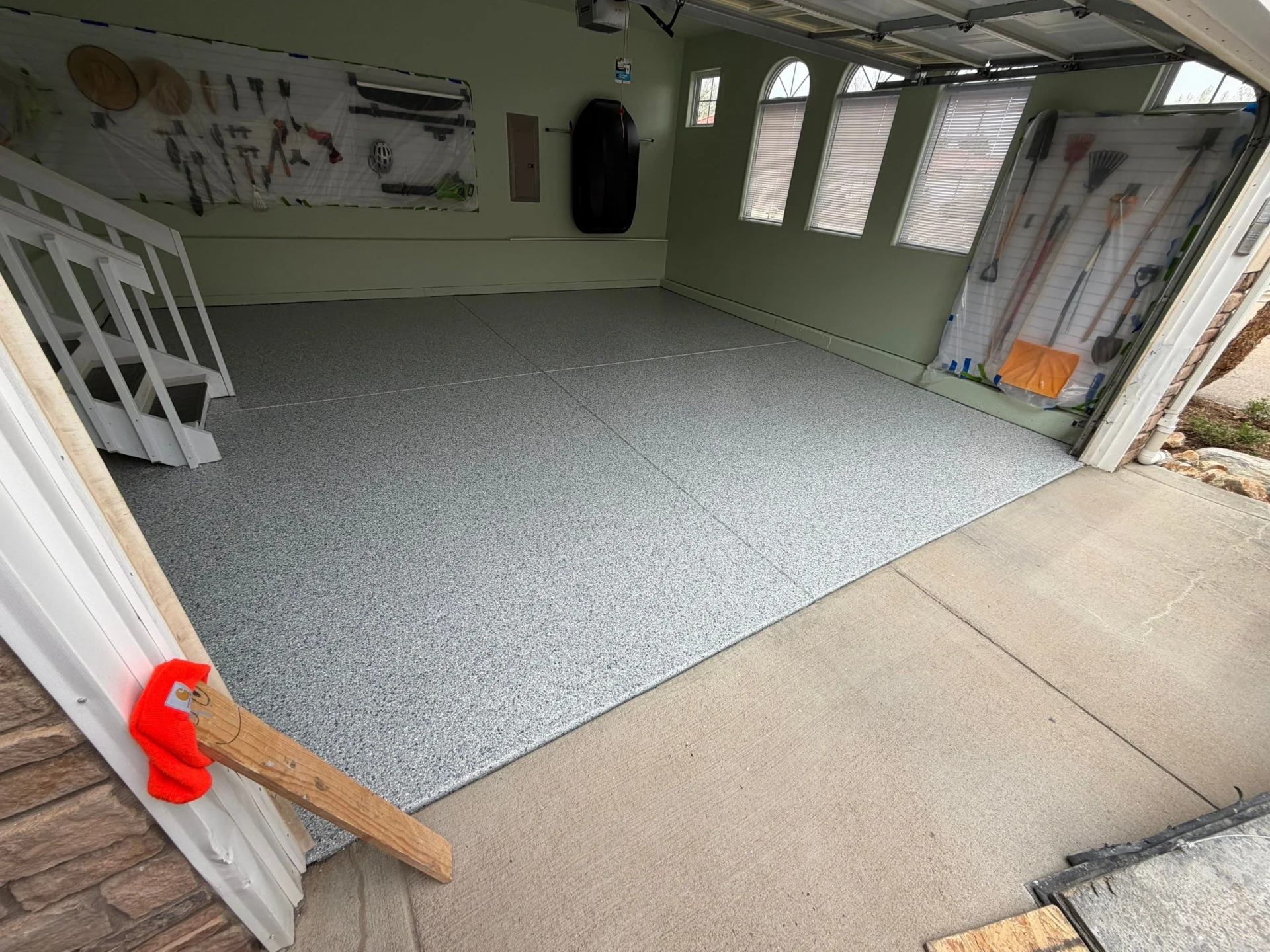
If you’ve decided that floor coatings are the right choice for your new construction garage floors, turn to our team at Solid Garage Floor Coatings of Denver for expert support. With our Polyaspartic and epoxy coating options, you can trust that we have the ideal products for your home. Whether you’re worried about damage to your floors or want to boost the appearance of your new construction garage floors, our coatings are the perfect solution for everyone.
When you’re ready to learn more about our floor coating products, don’t hesitate to reach out to us today for expert support.