
Table of Contents
- How Denver’s High Altitude Impacts Epoxy Coating Performance
- Common DIY Epoxy Coating Mistakes Made in Denver’s Climate
- Why Temperature Swings and Low Humidity Ruin Garage Floor Coatings
- The Science Behind Epoxy Curing at High Elevations
- How to Prevent Epoxy Failure with Professional Solutions
- Turn to Us for Quality Coating Installation You Can Trust
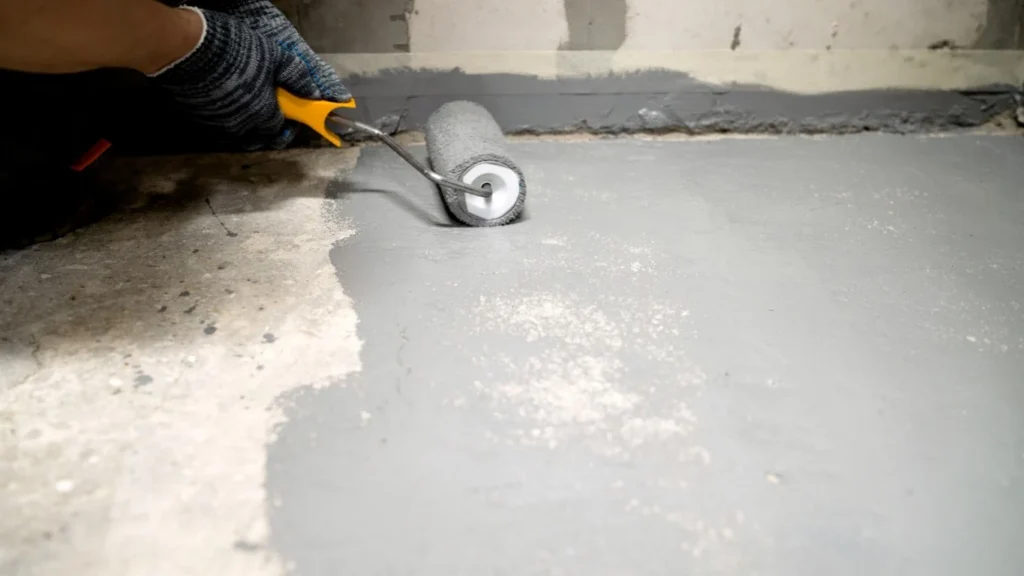
When it comes to upgrading your Denver home, you may not want to wait for the professionals to arrive for installation. Instead, you may find yourself using DIY products to get the job done more quickly. While this might be fine for some smaller home upgrades, choosing to use DIY epoxy coatings in your home can lead to major problems, especially in Denver’s unique climate.
With its high elevation, frequent temperature fluctuations, and inclement weather conditions, using DIY epoxy coatings isn’t as straightforward as it may seem. Instead of having a beautiful floor coating you can rely on, you may be stuck dealing with problems across the floor or premature repairs and replacement.
In this blog, we’ll discuss the challenges Denver homeowners may face when they choose to use DIY epoxy coatings and how they can avoid them.
How Denver’s High Altitude Impacts Epoxy Coating Performance
DIY epoxy coatings are not the most UV stable product on the market, and Denver’s high altitude increases UV radiation by over 25% and causes extreme temperature shifts. When coupled together, this leads to faster coating degradation, frequent yellowing, and increased brittleness, especially in lower quality DIY epoxy coatings.
But the problems go beyond that. Denver is known for its chilly winter months. If you attempt to apply these coatings during the coldest months of the year, you may face some significant challenges. Cold concrete may not be the ideal base for proper curing and bonding, leading to frequent problems with your coating throughout the years.
Finally, the city’s reliance on road salt during the winter months creates several challenges. Magnesium chloride, a major component of road salt, can penetrate and damage DIY epoxy coatings. Even though they are designed to be chemically resistant, they cannot withstand this harsh, abrasive chemical.
Common DIY Epoxy Coating Mistakes Made in Denver’s Climate
While Denver’s weather conditions play a major role in the problems you may encounter with DIY epoxy coatings, some of the problems may be due to installation complications. Although it often seems simple, surface inspections and preparation is the most crucial step in this process and improper preparation can lead to problems down the road.
Some of the most common mistakes people will make when trying install DIY epoxy coatings in Denver’s complex climate include:
- Failing to Conduct Moisture Tests: The arid climate in Denver can mask moisture problems beneath the surface. If you don’t conduct these tests beforehand, you may end up dealing with peeling, bubbling, and blistering as the coating cures.
- Improper Surface Preparation: With proper etching and grinding, the epoxy may struggle to adhere to the concrete beneath it, which is especially common in garages that are covered in debris like dust, dirt, pollen, and other organic materials.
- Ignoring Temperature Fluctuations: If you don’t keep a close eye on the upcoming weather, the concrete may contract and expand beneath your curing DIY epoxy coatings, leading to improper adhesion after installation.
- Inadequate Application Technique: The application technique used for DIY epoxy coatings can also lead to problems. If you’re applying too quickly between layers or over-rolling it, you may be left with bubbles or an uneven texture.
Why Temperature Swings and Low Humidity Ruin Garage Floor Coatings
Denver’s severe temperature fluctuations and low humidity can lead to some significant quality problems, including rapid expansion and contraction and curing issues during installation. If temperatures in your garage are too high, this can lead to hot-tire pickup, which can ruin the finish of your new installed DIY epoxy coatings.
As temperatures drop below freezing, your coating can become brittle. Over time, this can lead to cracks and crumbling of the coating. A lack of humidity also poses its own challenges to your coatings. Epoxy coatings need adequate humidity levels for proper curing, and low humidity can lead to rapid, improper curing.
The Science Behind Epoxy Curing at High Elevations
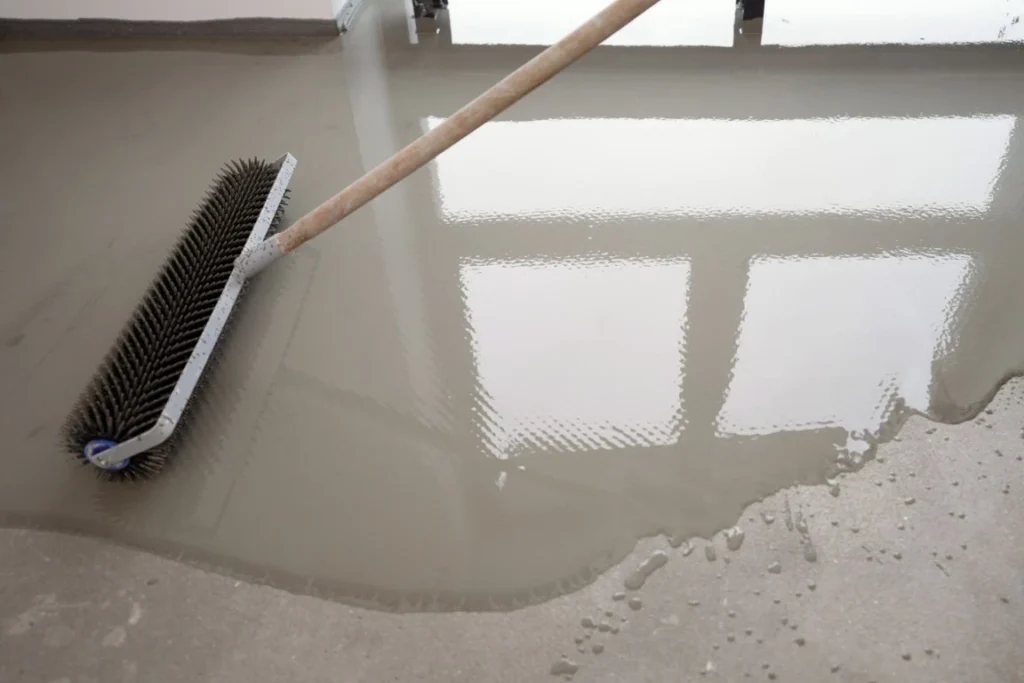
At higher elevations like Denver, epoxy cures differently because lower air pressure, reduced humidity, and stronger UV exposure all affect the chemical reaction. Epoxy coatings rely on a precise balance between resin and hardener, and these environmental factors can speed up or disrupt that process.
Low humidity causes solvents to evaporate faster, which can lead to bubbling or uneven finishes. Meanwhile, thinner air pressure allows trapped gases in the concrete to expand more easily, creating blisters beneath the surface. Temperature swings, common in Denver, further complicate curing by causing the epoxy to harden too quickly or inconsistently.
UV exposure is another factor; at higher altitudes, sunlight is more intense, which can degrade certain epoxy formulations during curing. Understanding these scientific factors helps explain why standard DIY products often fail without proper adjustments for Denver’s unique environment.
How to Prevent Epoxy Failure with Professional Solutions
The best way to prevent epoxy failure in Denver homes is by relying on the professionals for expert support. They use professional-grade materials and can account for altitude, temperature, and humidity during installation. Unlike DIY epoxy coatings, professional products are formulated to cure properly in high-altitude environments.
This means you reduce your risk of dealing with bubbling, peeling, and improper bonding. Your coating team will also carefully monitor surface temperature, not just air temperature, which is crucial in Denver’s fluctuating climate. They prep the concrete thoroughly, often using mechanical grinding to ensure maximum adhesion.
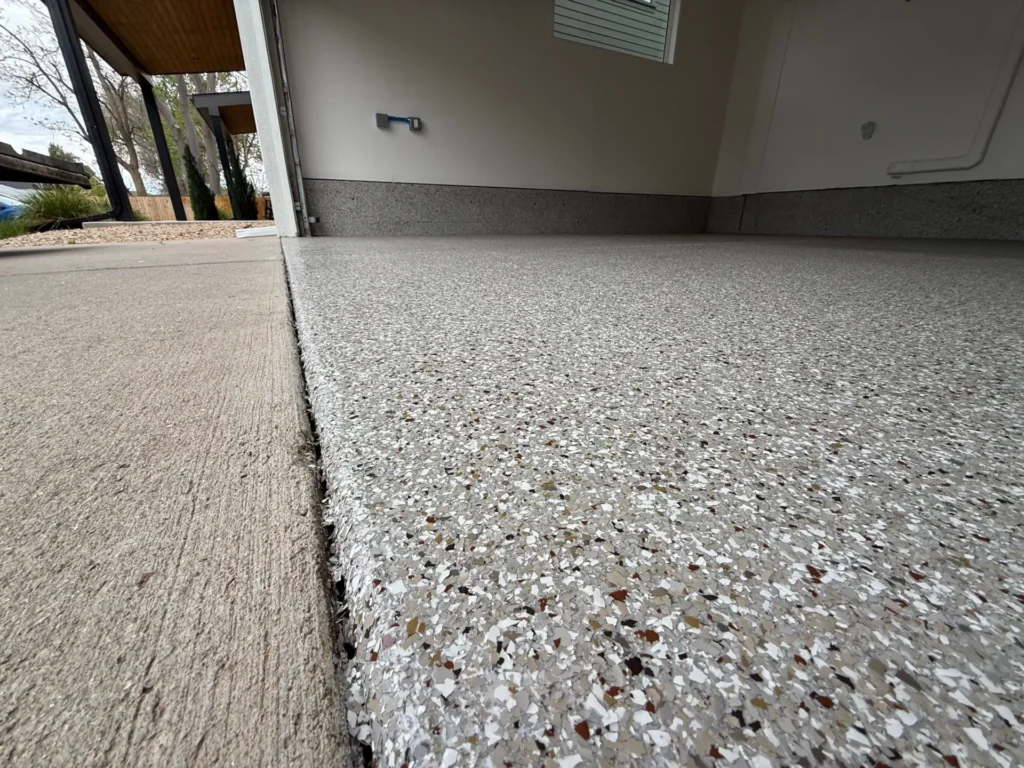
Timing matters too; experienced installers know when conditions are ideal and when to wait. In addition, high-quality primers and moisture barriers can be applied to protect against vapor transmission, a common issue in dry climates. By combining the right products with expert application techniques, homeowners can achieve a durable, long-lasting epoxy coating.
Turn to Us for Quality Coating Installation You Can Trust
If you’re tired of dealing with the problems that come with DIY epoxy coatings, our team at Solid Garage Floor Coatings is here and ready to help. For years, we’ve helped homeowners find their ideal floor coating solutions, and we’re confident that we can do the same for you. Whether you like the sleek, modern appearance of epoxy coatings or want something more durable like Polyaspartic, our team offers it all.
When you are ready to transform your Denver home with a high-quality floor coating, don’t hesitate to reach out to us for expert support.