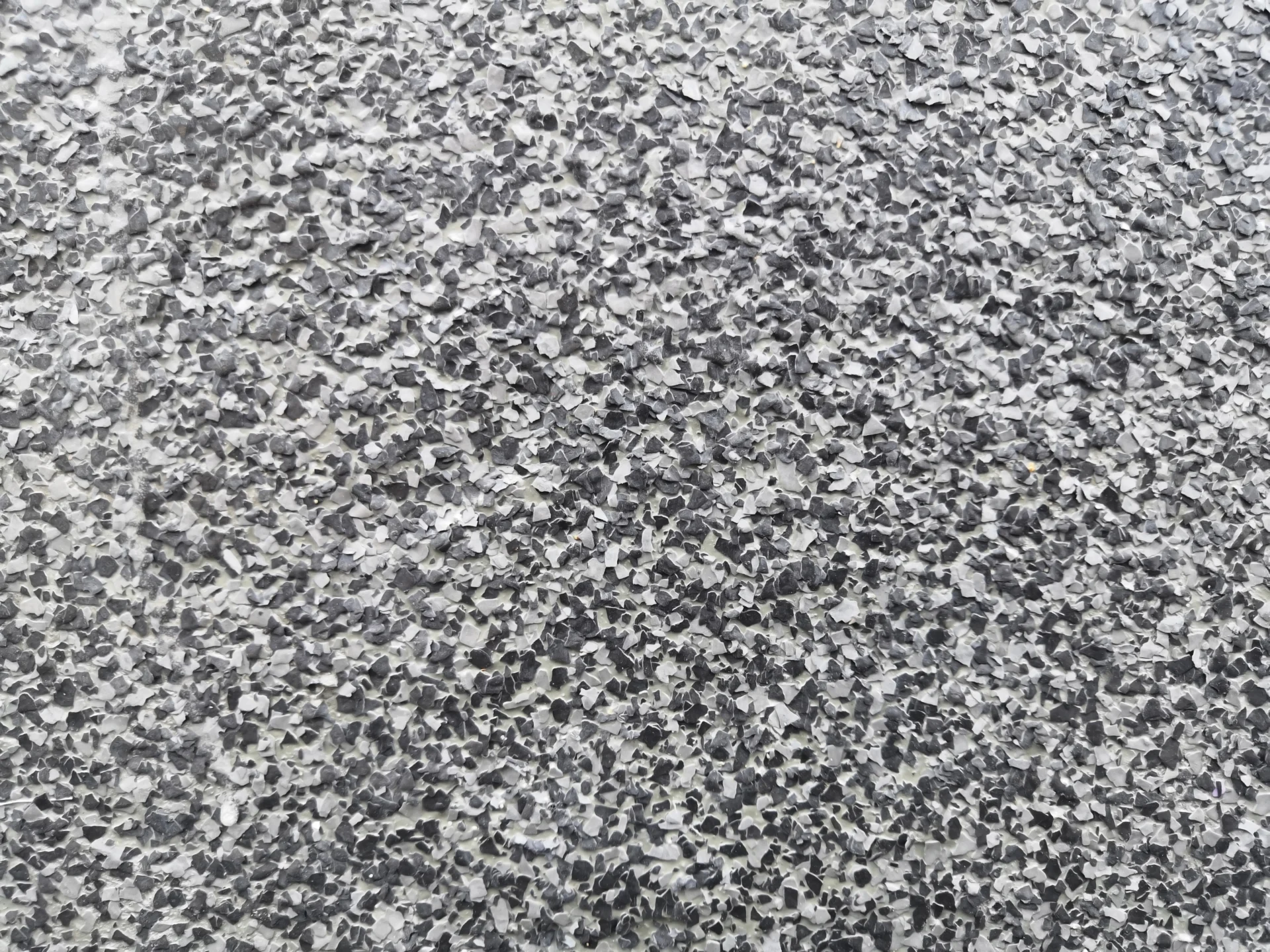

Epoxy and polyaspartic coatings are both popular in the garage flooring industry, but they serve very different purposes. In Colorado’s climate, polyaspartic outperforms epoxy in nearly every category. We do default to vapor barrier epoxies when high moisture levels in the concrete are apparent because they are designed to bond better and longer to high moisture environments.
Here’s an expert breakdown.
1. UV Stability
Epoxy:
- Yellows
- Fades
- Discolors
- Chalks
Polyaspartic:
- 100% UV stable
- Does not yellow
- Perfect for sunlit garages
Colorado’s UV intensity makes epoxy a poor long-term choice.
2. Flexibility & Durability
Epoxy = rigid and brittle
Polyaspartic = flexible and impact-resistant
Colorado’s freeze–thaw cycles cause concrete movement.
Epoxy is more susceptible to cracking and chipping.
3. Chemical Resistance
In general epoxy handles chemicals decently but not as well as polyasparitcs. You watch the or
Polyaspartic has superior resistance and is far easier to maintain.
4. Cure Time
Epoxy:
- 12–24 hours before walking
- 3–7 days before parking
- Highly sensitive to temperature
Polyaspartic:
- Walkable in 4–6 hours
- Parkable in 36–48 hours
- Cures well even in cold weather
5. Lifespan
Epoxy: 5–10 years
Polyaspartic: 15–25+ years
Bottom Line
Epoxy has its place (commercial, moisture-heavy areas).
But for Colorado garages, polyaspartic is the superior choice by a wide margin.