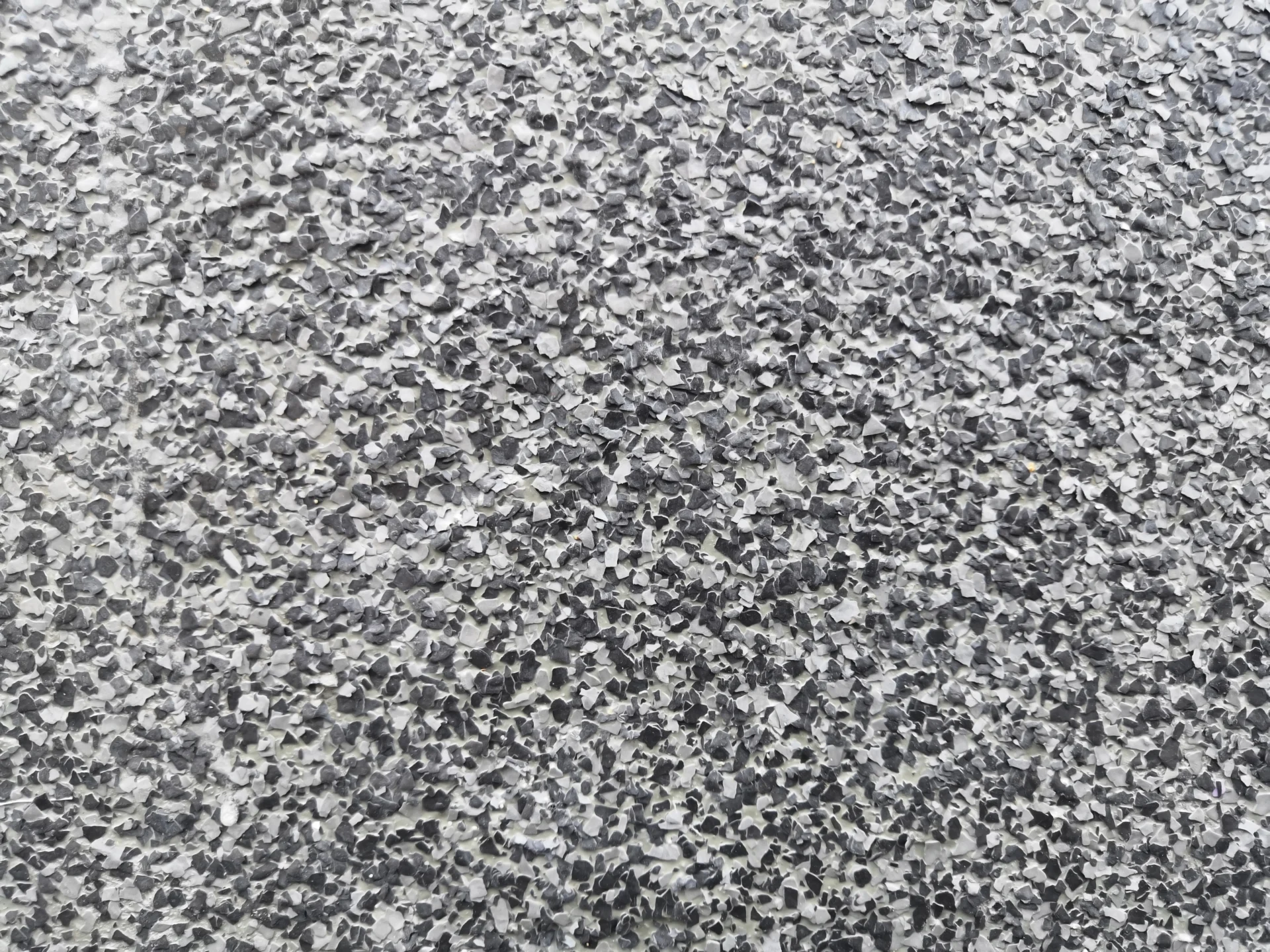
Living in the Greater Denver area, you often get to open your front door to some of the greatest winter weather conditions in the nation. Located on the edge of the Rocky Mountains, there are plenty of places to ski, snowboard, snowshoe, and more. Whether you love winter sports or building snowmen with the family, Denver is a great place to enjoy the season.
However, these weather conditions can be incredibly harsh on every part of your home, including your concrete garage floor. While it might seem like a hardy, reliable material, concrete is prone to significant damage if it is exposed to winter weather frequently. In this blog, we’ll explore how the winter months can hurt your concrete and what you can do to protect it.
How Snow and Salt Impact Your Concrete
Snow and salt can be incredibly damaging to unsealed concrete surfaces during the winter months. When snow melts, the resulting water seeps into the concrete’s pores, and without a protective seal, that moisture can quickly lead to surface degradation. Rock salt, often used to melt ice, accelerates the process by chemically reacting with the concrete.
The saltwater penetrates the surfaces and draws moisture deeper into the slab, creating internal pressure that weakens the structure over time. In addition, salt residue attracts more water, keeping concrete damp for longer periods. This prolonged moisture can lead to severe damage, such as cracking and scaling.
The combination of moisture, salt, and repeated exposure leads to flaking, discoloration, and corrosion of any embedded metal reinforcement. Over several seasons, this cycle can cause costly damage, reducing the concrete’s lifespan. This can be incredibly frustrating and costly to deal with, which is why it’s always best to prevent winter weather damage before it begins.
The Effect of the Freeze-Thaw Cycle
The freeze-thaw cycle is one of the most destructive processes affecting concrete in cold climates. When water enters the pores and tiny cracks of unsealed concrete floors, it expands as it freezes. This expansion puts pressure on the concrete, gradually widening cracks and breaking the surface.
Once this ice melts, more water seeps in, repeating the cycle and worsening the damage with each freeze. Over time, this leads to surface scaling, spalling, and even structural weakening. In climates where temperatures regularly fluctuate around freezing, concrete can experience dozens of freeze-thaw cycles each season.
Cumulative stress causes visible deterioration, including pitting and delamination, that not only affects your home’s appearance but also reduces its strength and durability, and may pose a significant tripping hazard to you and your loved ones. Deicing salts intensify the issue by allowing more moisture to penetrate deeper into the slab.
How to Prevent Damage from Winter Weather
If you’ve spent years attempting to prevent winter-related damage to your concrete floors, there are a few things you can do to keep them safe. First, you may want to consider investing in containment mats and door mats. Containment mats underneath vehicles can catch melting snow, rock salt, and other debris that degrade your concrete over time.
Door mats will give you a chance to dry your feet before walking into the space. However, the best step you can take to protect your concrete from winter weather damage is investing in professional floor coatings. These coatings create an impermeable barrier between your concrete and abrasive agents and moisture, keeping them safe throughout the season.
Which Floor Coating is Best for Withstanding Winter Weather?
While a floor coating is a great way to protect your concrete floors from harsh winter weather conditions, you might be on the fence about which is best. While there are many options on the market, epoxy and Polyaspartic are best for defending against winter weather. Each floor coating comes with its own benefits, which can help you make this decision.
- Epoxy Coatings: Epoxy creates a durable, moisture-resistant barrier that shields concrete from freeze-thaw damage, road salts, and other chemicals, helping prevent cracks and surface deterioration during harsh winter conditions.
- Polyaspartic Coatings: Polyaspartic coatings cure quickly and provide superior UV, moisture, and chemical resistance, protecting concrete surfaces from salt corrosion, freeze-thaw cycles, and winter abrasion while maintaining long-term durability.
If you’re on the fence about which floor coating is best for helping you avoid winter weather damage, don’t hesitate to reach out to your trusted floor coating professional for advice. Talk to them about your wants and needs. With their expertise, they can help you choose the right coating for your space.
Can You Install Floor Coatings in Winter
If you’re considering investing in a garage floor coating, you may worry that you’ll have to wait until spring to have it installed. While colder weather conditions can make it more difficult to install a floor coating, professional installers should be able to perform the service for you. However, there are a few things you’ll need to do.
First, you’ll need to speak to your installer about managing humidity in your garage. Too much moisture can lead to premature coating failure. Additionally, you’ll need to maintain a consistent temperature in your garage. Heat the space between 50°F and 86°F to ensure the coating cures properly, as cold temperatures may extend curing periods.
Finally, you’ll need to keep the area closed off from winter weather conditions during installation. If you typically use your garage as the entry point for your home, it’s best to make other arrangements and ensure visitors know to avoid the garage during this process. By following these tips, your floor coating should cure properly and last for years.
Delivering High-Quality Floor Coatings to Homes Across Denver
When you’re ready to protect your concrete garage floors from Denver’s harsh winter weather conditions, turn to our team at Solid Custom Floor Coatings for support. With our professional products and commitment to quality installation, you can trust that your new floor coating is designed to last for decades to come.
If you would like to learn more about our floor coatings or schedule an installation for your home, contact our team today.

When the concrete floors around your property begin to deteriorate, you may start considering making an investment in an upgrade. One of the most popular ways homeowners have chosen to upgrade their concrete floors is by investing in an epoxy coating. However, before you invest your time and resources in this project, it’s essential to assess your concrete damage.
Why You Need to Repair Concrete Damage Before Installation
If you’re dealing with minor superficial concrete damage, your
Expert Epoxy Coatings in Denver, CO
For car collectors, a garage is more than just a place to store vehicles; it’s a showroom, workshop, and source of great pride. Whether you’re showcasing a long-loved vehicle or bringing in a new restoration project, your garage floors play a crucial role in the function and aesthetics of this space.
Pros of Concrete Stains or Sealants:
Polyaspartic Coatings
Consulting with a professional floor coating installer can help you determine which material best suits your needs. Many floor coatings also come with long-term warranties, providing you with peace of mind that your garage will look great for years to come. By consulting with your floor coating installer and choosing an option with a warranty, you can trust you’re making the best choice for your space.